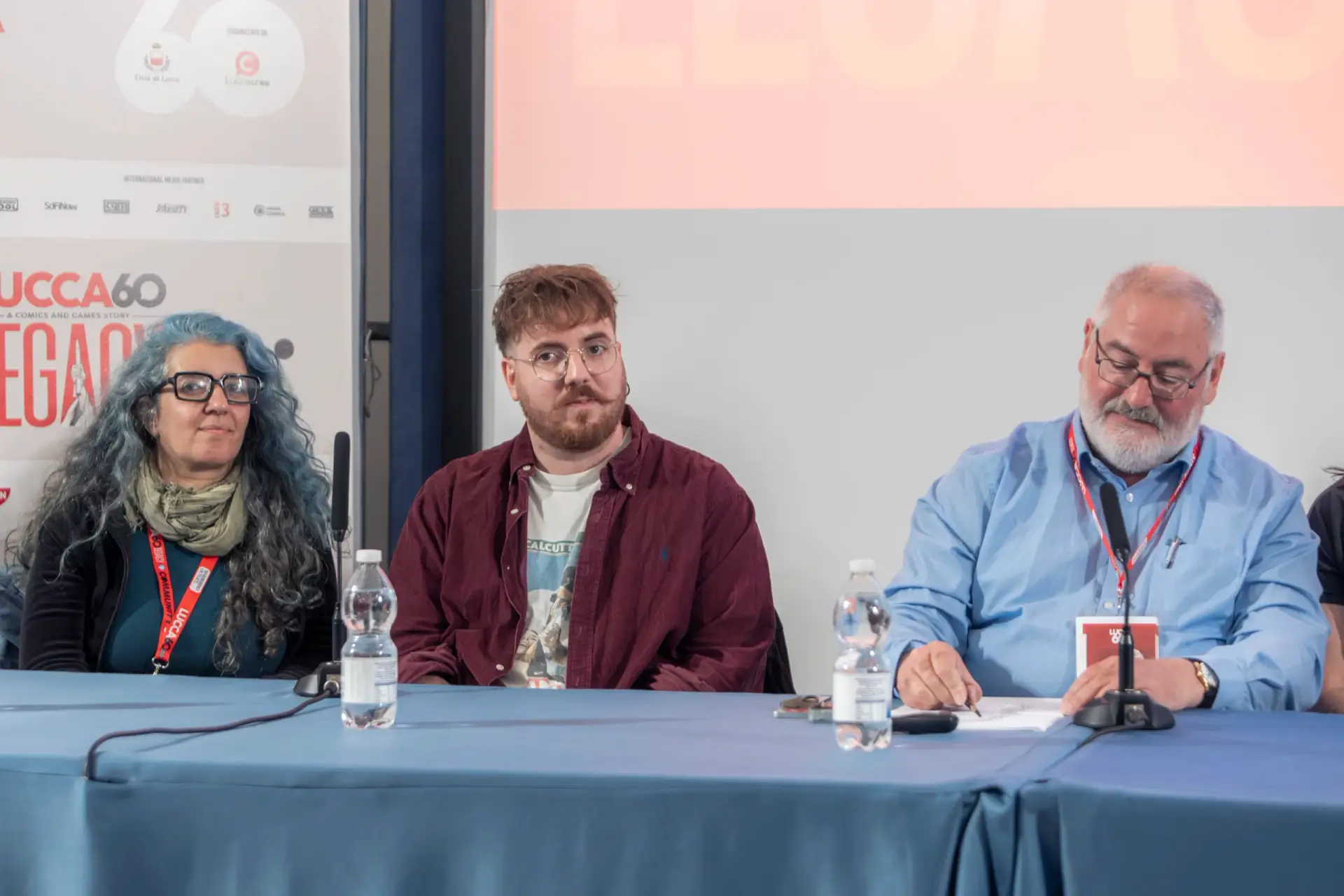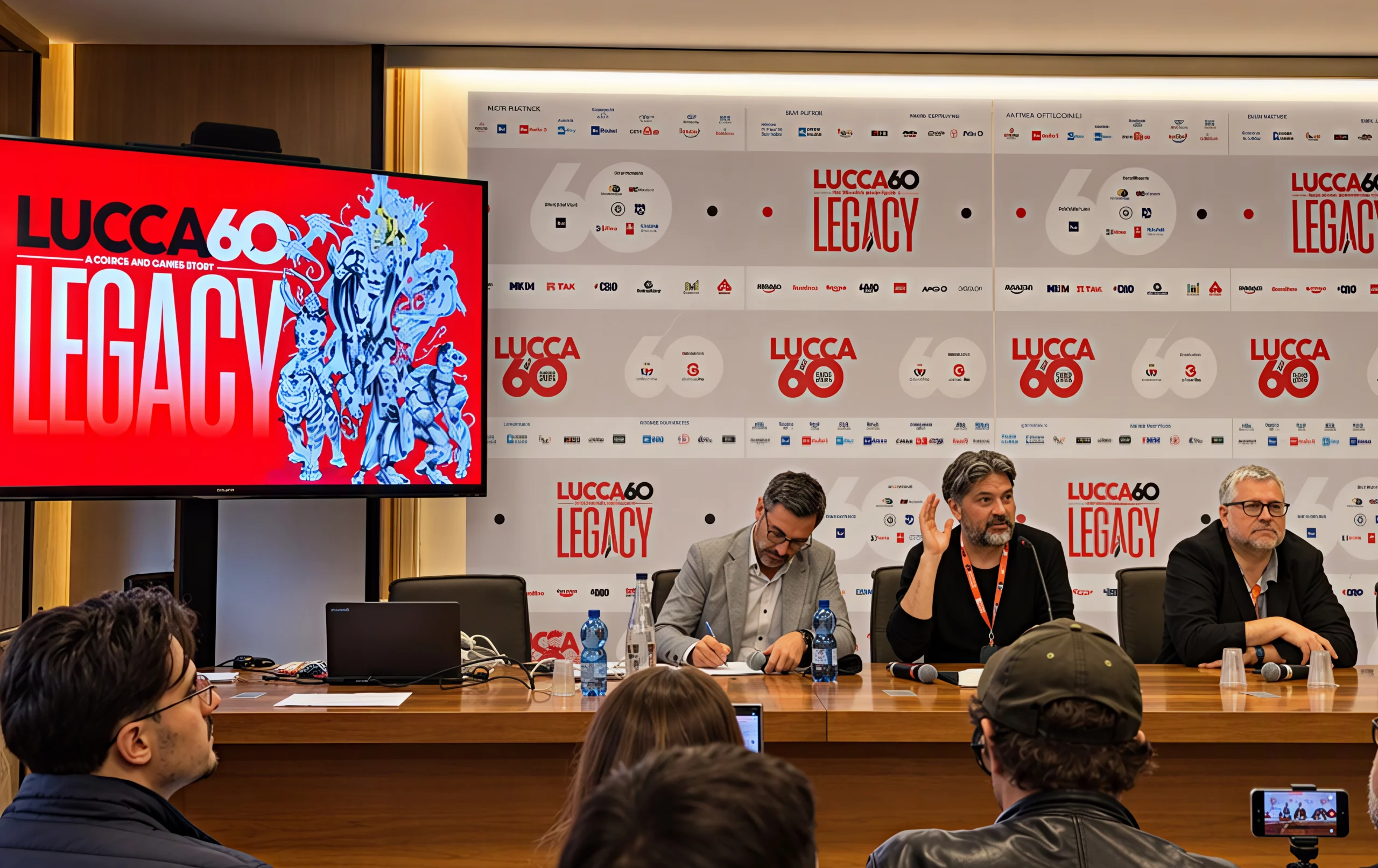
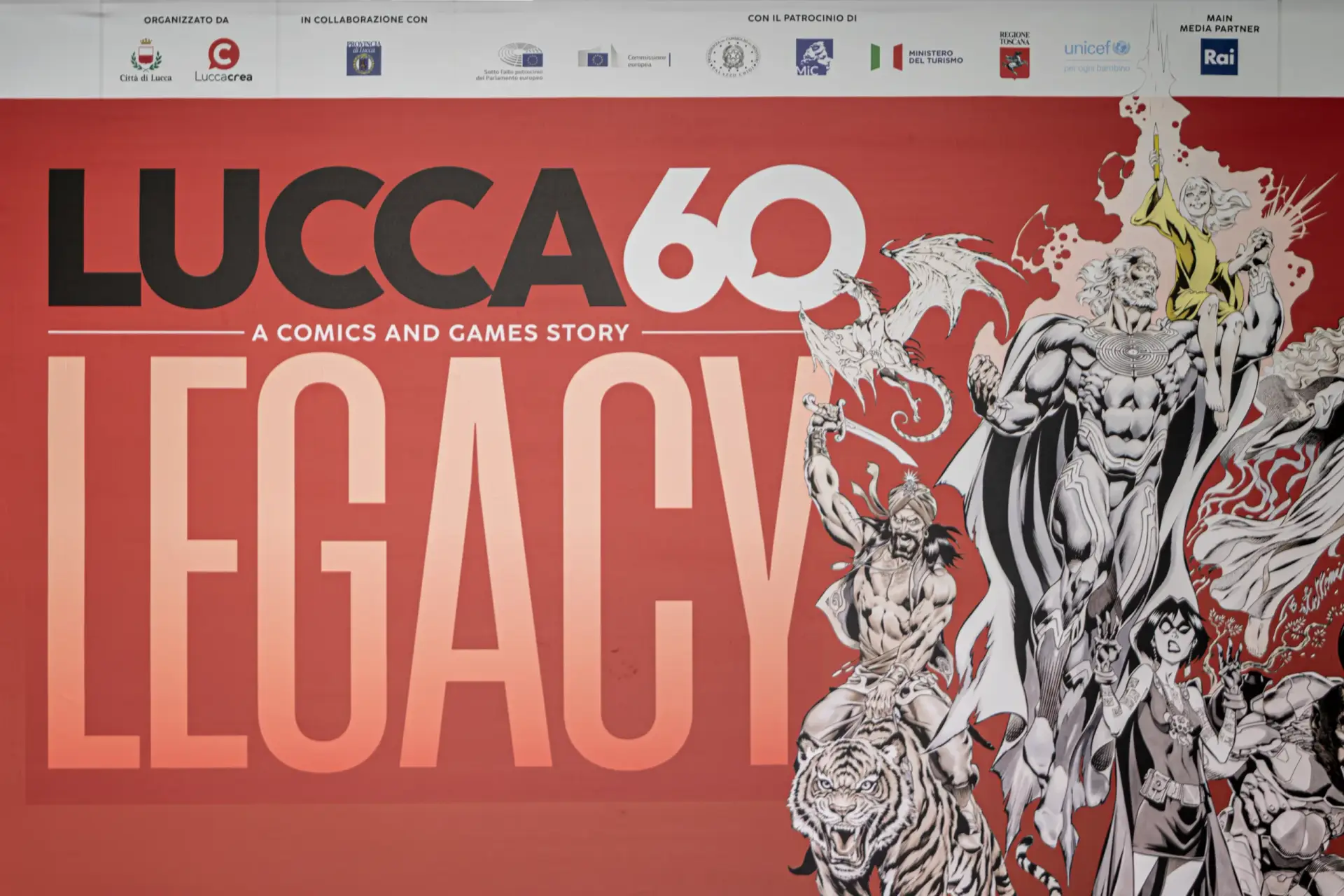
Some events are more than just gatherings; they are true experiences to be lived. Lucca Comics & Games is undoubtedly one of these. As autumn arrives every year, this stunning Tuscan city transforms into a vast universe of comics, manga, video games, cosplay, board games, cinema, music, and fantasy. However, the edition held this year from October 28th to November 1st carried a distinctly different tone: Lucca celebrated the event’s sixtieth anniversary—a major milestone for one of the world’s most beloved pop-culture convention.

The theme chosen for this edition was “Legacy”—a word that perfectly encapsulates the significance of these past decades. It represents a heritage built on stories, characters, artists, friendships, and shared passions, while also encompassing new ideas and perspectives for the future. Yet, taking stock of such a significant anniversary also means looking beyond the surface—peering past the grand celebrations to examine the challenges that emerged within the event’s pavilions.
Once again, the figures highlight an event of extraordinary scale: approximately 345,000 attendees, over 800 exhibitors, more than 900 guests, and upwards of 1,500 scheduled activities spread across the five days. When including those who experienced the city without entering the specific exhibition venues, the total number of people present is estimated at around 800,000.
Among the most significant developments to emerge during this edition was the ratification—on October 29—of an agreement between the Ministry of Culture, the Tuscany Region, and the Municipality of Lucca to establish a foundation dedicated to an International Comics Museum. This historic milestone aims to transform Lucca into a permanent cultural hub for the ninth art, extending its impact well beyond the five-day duration of the festival.
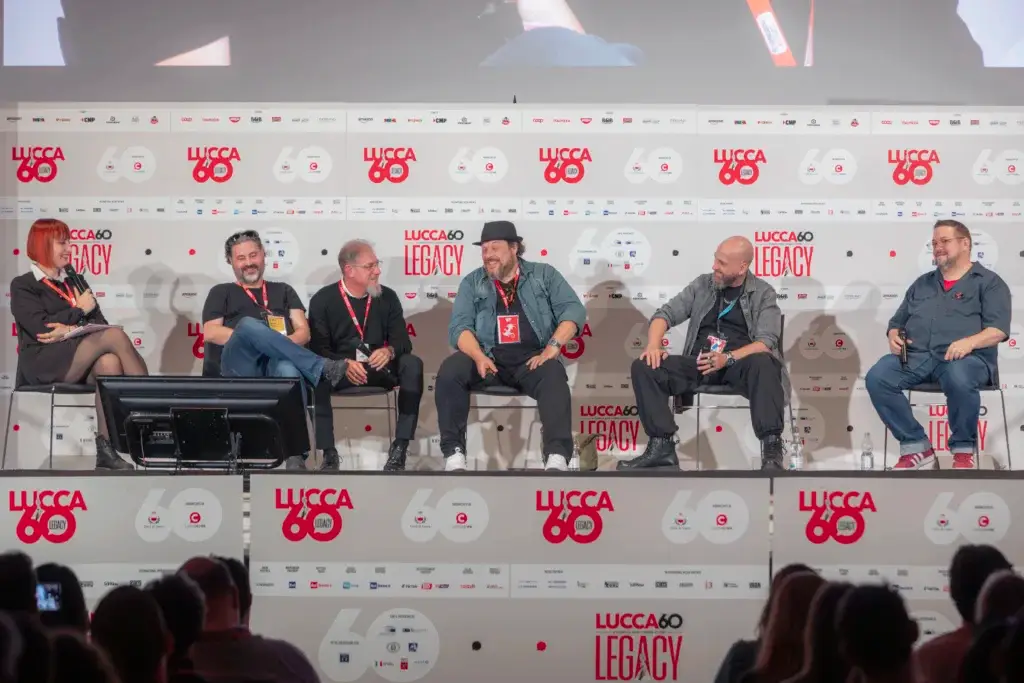
The artistic program was, as always, incredibly rich—though some attendees noted that the overall line-up felt slightly less groundbreaking than the peaks reached the previous year, and that the 60th-anniversary milestone was, at times, less palpable than expected. Nevertheless, the event still featured a host of world-renowned figures.
Among the masters of the medium in attendance were legends such as Go Nagai, celebrated with the exhibition Sole, Cuore e Acciaio (Sun, Heart, and Steel) and honored as a Master of Comics alongside Anna Brandoli. Other high-profile creators were also present, including Frank Miller, Paru Itagaki, and Jonathan Hickman, as well as beloved Italian favorites Zerocalcare and Leo Ortolani—the latter of whom received the Author of the Year award for Tapum.
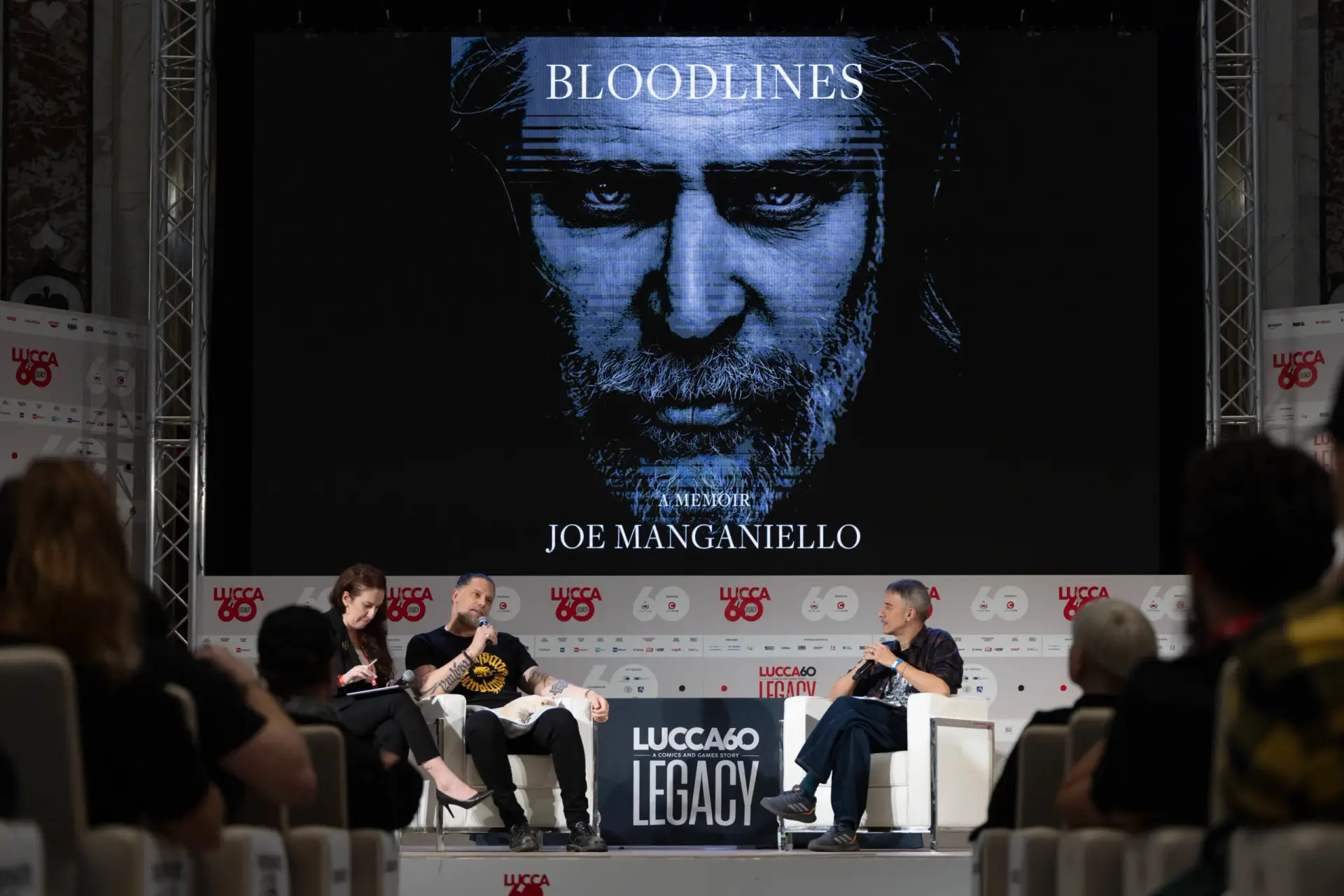
Hollywood and Dungeons & Dragons were brought into the spotlight by Joe Manganiello and Bubbles (his dog) while the world of video games was represented by major industry figures such as Hideki Kamiya, Yoshinori Kitase (Final Fantasy VII), and Stephen Bliss (Grand Theft Auto). The presence of acclaimed composer Yōko Kanno—known for her iconic Cowboy Bebop soundtracks—added a distinct musical dimension to the Lucca Comics experience.
Significant awards were also presented during the ceremony at the Teatro del Giglio: the Game of the Year award went to Rebirth, while Legend in the Mist triumphed as Role-Playing Game of the Year.
Among the major, crowd-drawing celebrations, the 30th anniversary of Pokémon stands out; it was marked by the distribution of over 260,000 special cards, which sent collectors into a frenzy.
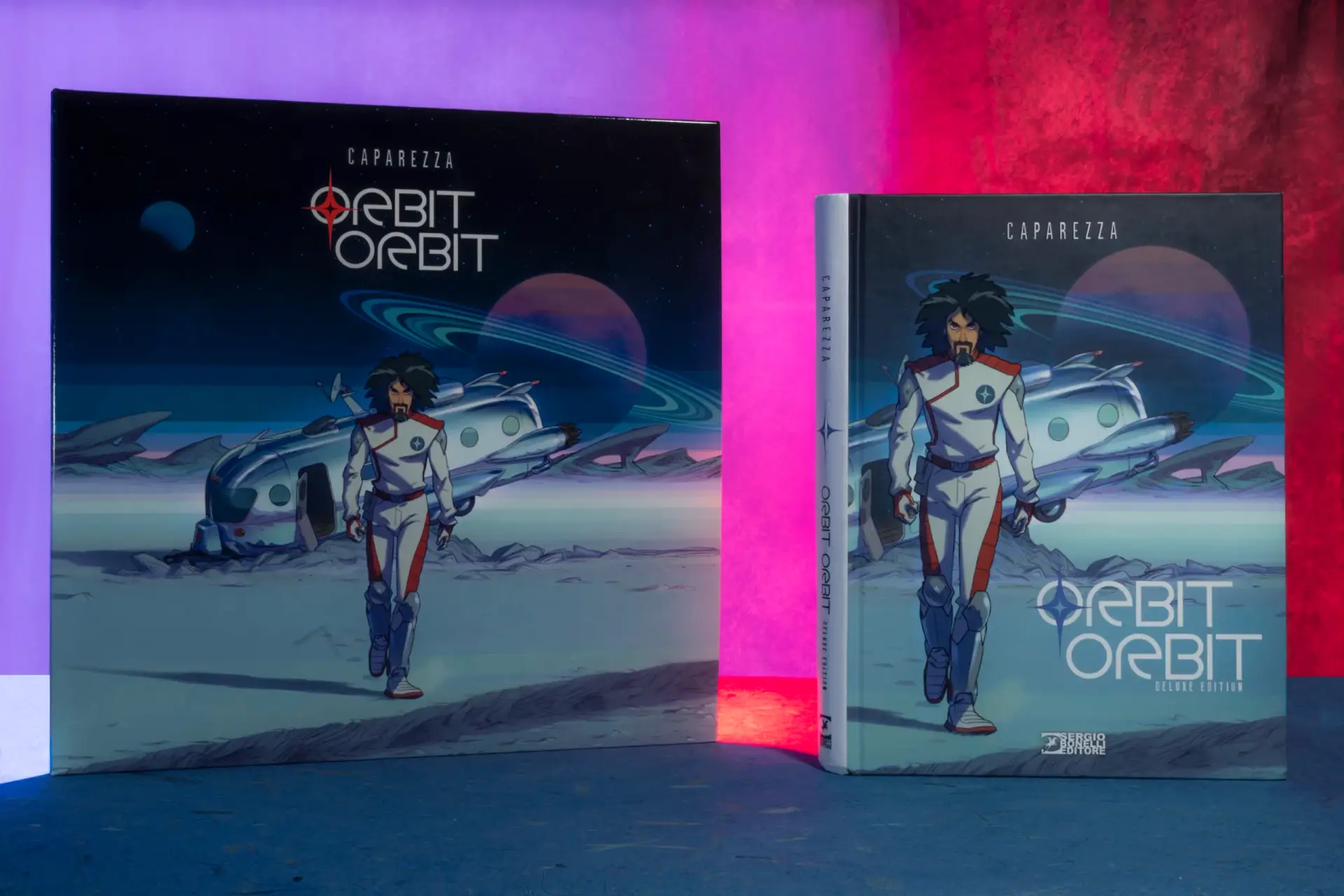
Unfortunately, there were both ups and downs across the exhibition halls. While the overall organization and the management of the reservation system showed commendable improvement, an analysis of the commercial and gaming offerings revealed some shortcomings that have sparked debate among long-time fans. Comics were certainly present—for those who knew where to look—but the shopping experience was hampered by limited stock at some retail stands and prices that often matched those found online; neither factor provided much incentive for the impulsive buyer. Furthermore, event-exclusive variant covers were far less common than in the past.
The most painful aspect of the 2026 edition concerns the gaming sector. The renowned Carducci Pavilion—a historic Italian hub and meeting place for board and role-playing games—is showing signs of a major shift, now dominated by the trend of collectible trading cards. Half, if not more, of the exhibition space was occupied almost exclusively by graded Pokémon cards and a few other TCG franchises. Traditional tabletop RPG rulebooks and boxed board games have, regrettably, been relegated to a mere “footnote” in what was once the premier showcase for the industry.
The video game pavilions also offered little in the way of substantial recreational space. In the realm of video games, the absence of playable demos was noticeable—a trend driven by current market dynamics and the realities of the present moment.
It is important to clarify that this criticism is not directed at the Lucca Comics organization itself, but rather at the retailers and exhibitors participating in the event.
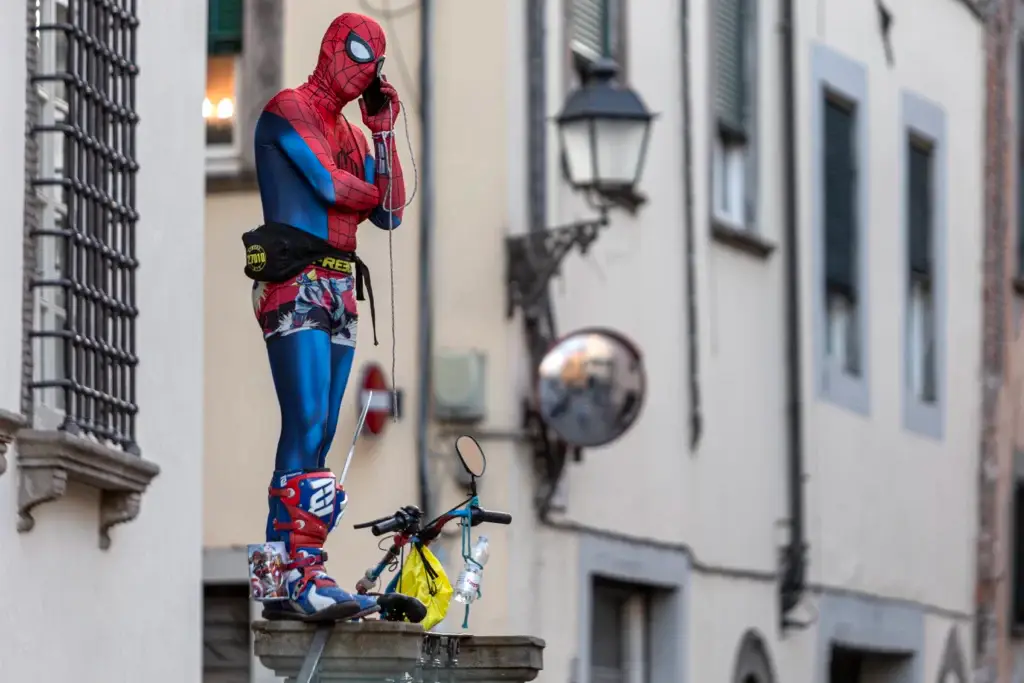
The magic of Lucca has always extended well beyond the exhibition halls. With its various exhibitions, cosplay, impromptu celebrations in the town squares, and a city that takes on a life of its own are what make Lucca Comics is truly one of a kind. The event continues to enchant, thanks to its unique spirit.
The exhibitions scattered throughout the city—from Lucca Legacy at Palazzo Guinigi to tributes marking the 30th and 40th anniversaries of pop-culture icons—offered a deep dive into our collective memory. And, of course, one cannot overlook the beating heart of the convention: the streets of the historic center filled with thousands of incredible cosplayers. With their intricate armor and expertly tailored costumes, they transformed the narrow alleys and ancient city walls into a living film set. Even after the exhibition halls close, the festivities continue with evening concerts and illuminated town squares—confirming that Lucca is not just a convention to visit, but a state of mind.
The 2026 edition concludes, leaving behind significant reflections on the future of collecting and the gaming market, while reaffirming the enduring strength of its community. The lights go out until next year: the date is already set for the next edition from October 28th to November 1st, 2027.
Ultimately—whether it’s cherishing an old trading card, a well-worn comic book, or the thrill of one’s first time in costume—the secret of Lucca Comics & Games remains the same: an irrepressible desire to keep dreaming together.