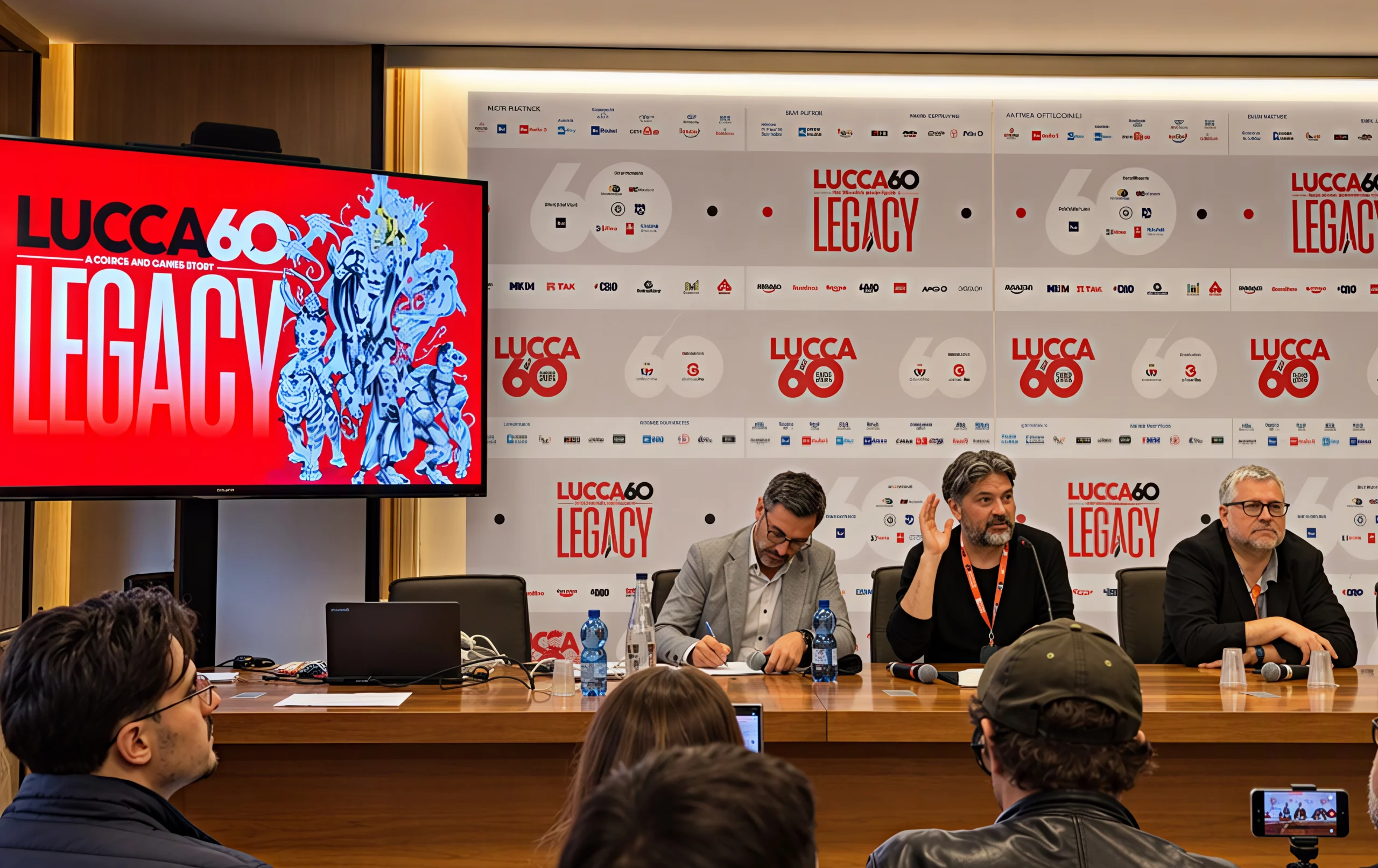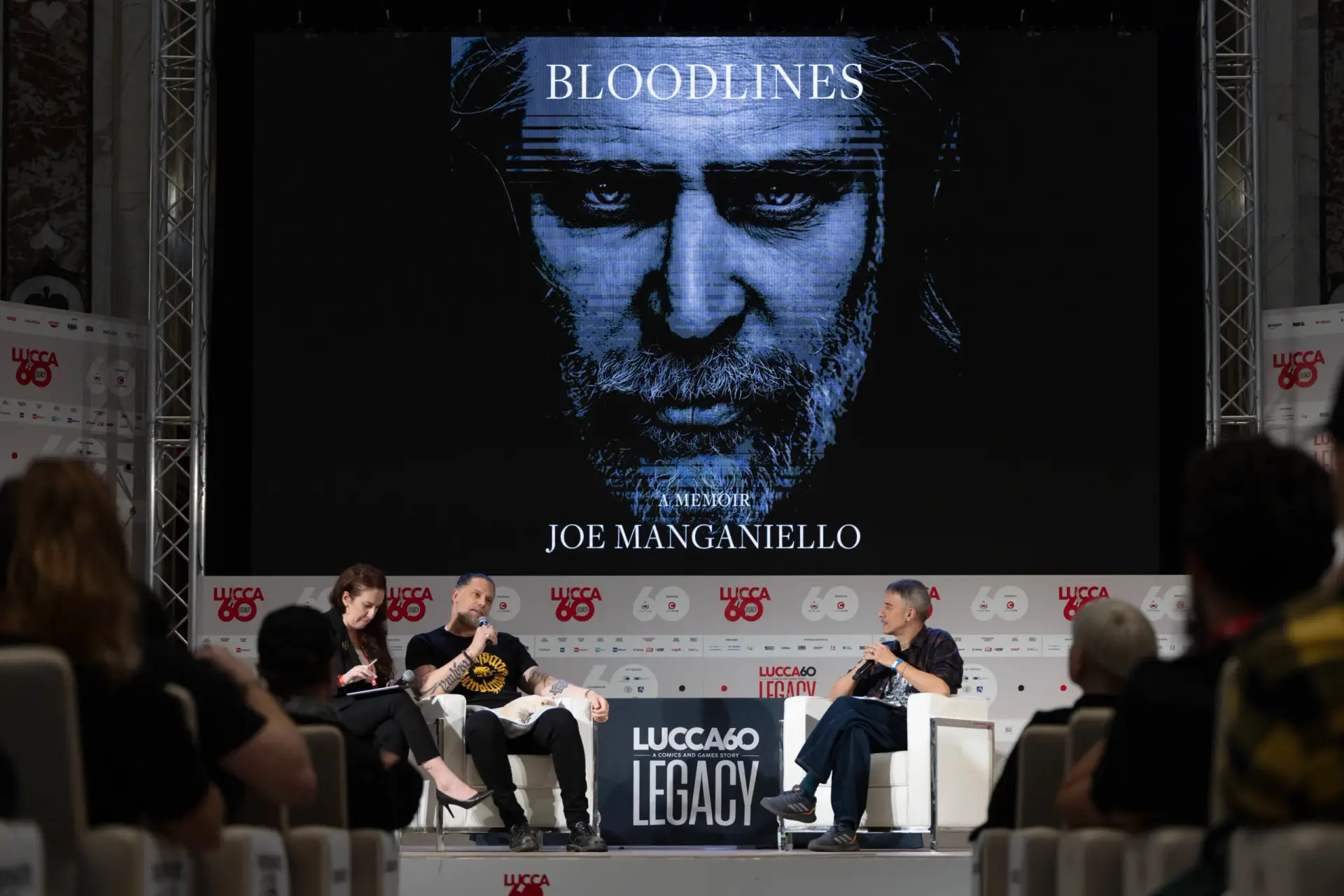
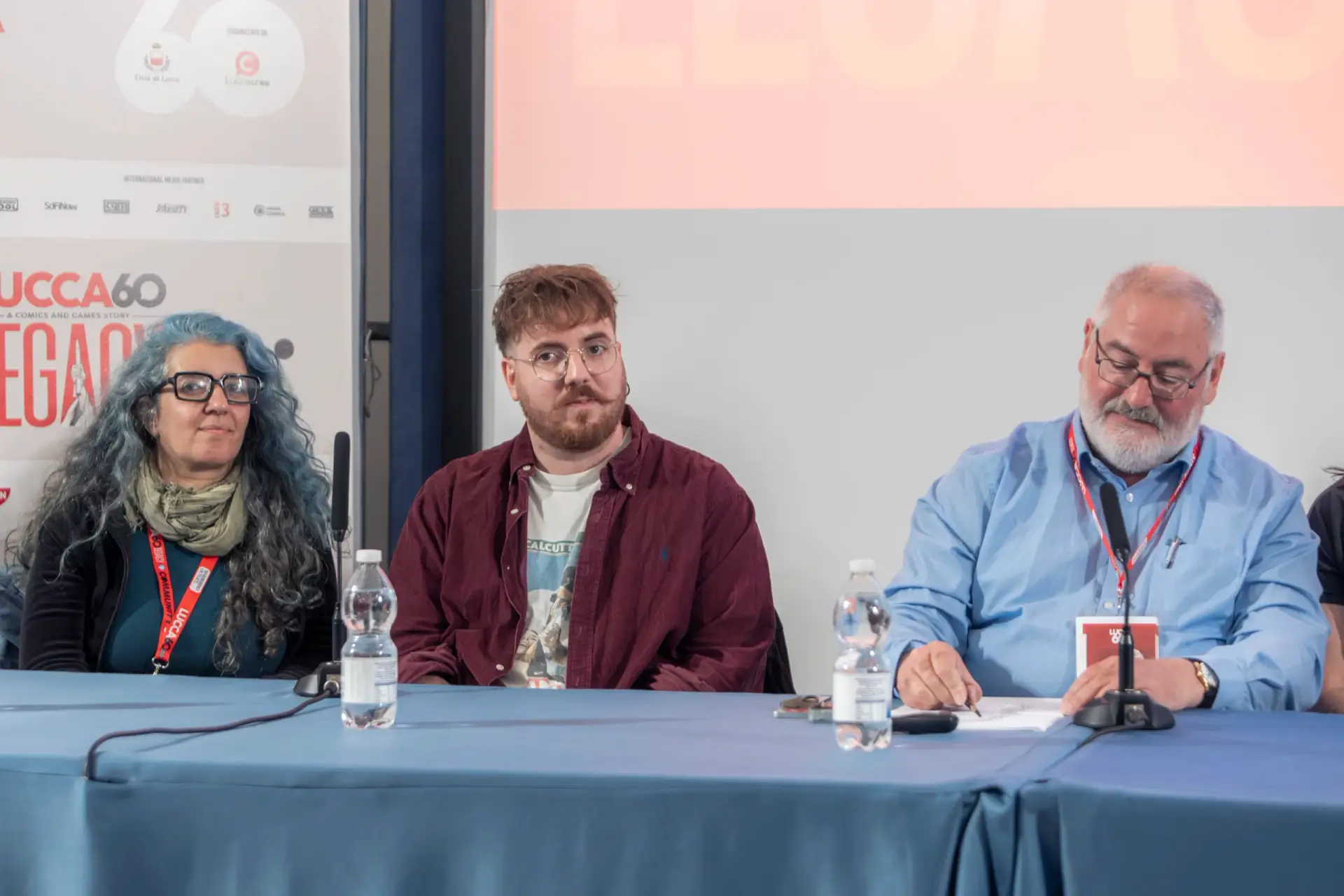
There is a precise moment when a fairy tale ceases to be a childhood memory, yellowed by time, and instead becomes an uncharted, dark, and fascinating territory for exploration. That moment unfolded on October 30th, 2026 at the Auditorium of the Fondazione Banca del Monte di Lucca, where an exceptional panel of guests gathered for a discussion titled “From the Classic to the Fantastic: When Illustration and Storytelling Reinvent the Tale”.
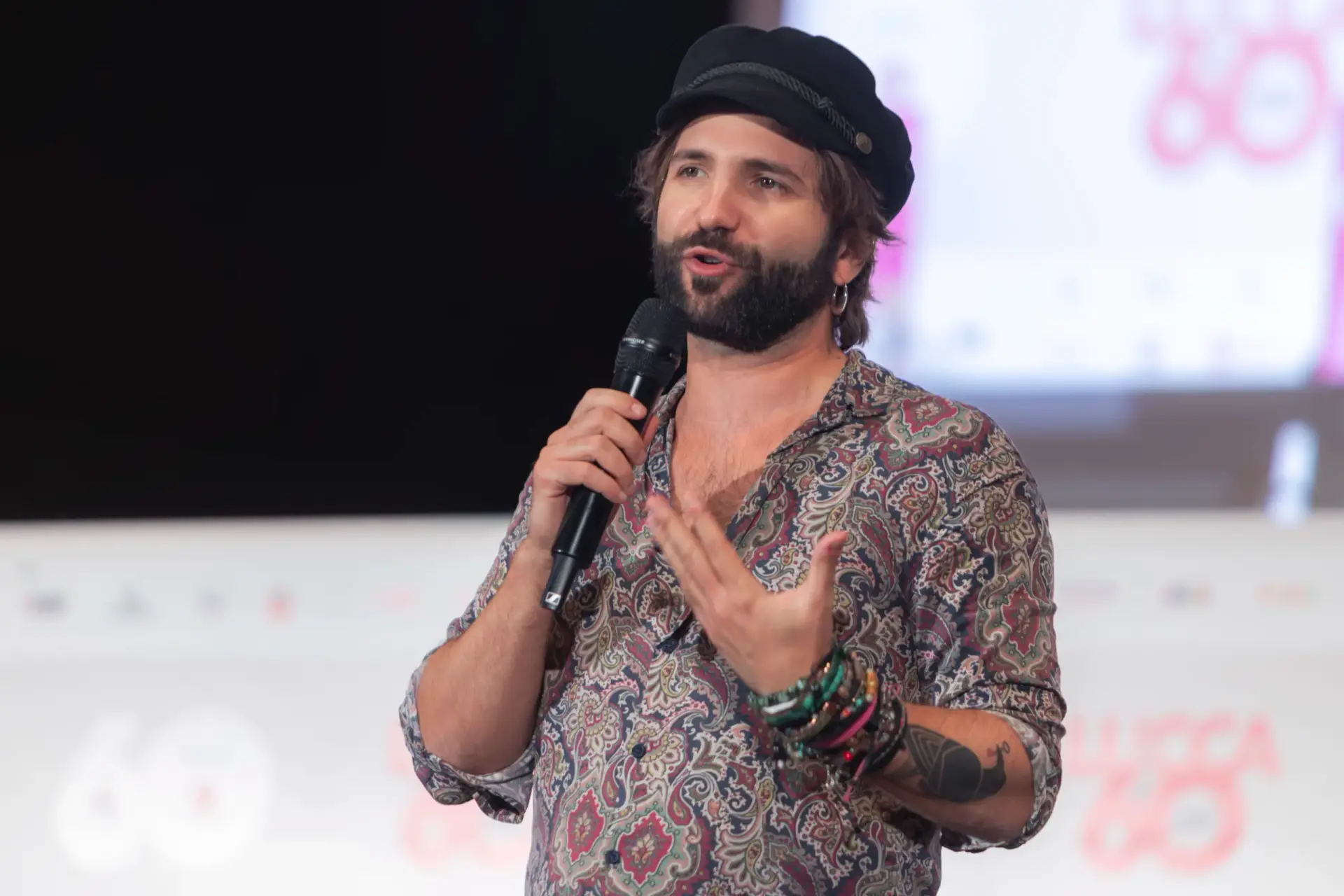
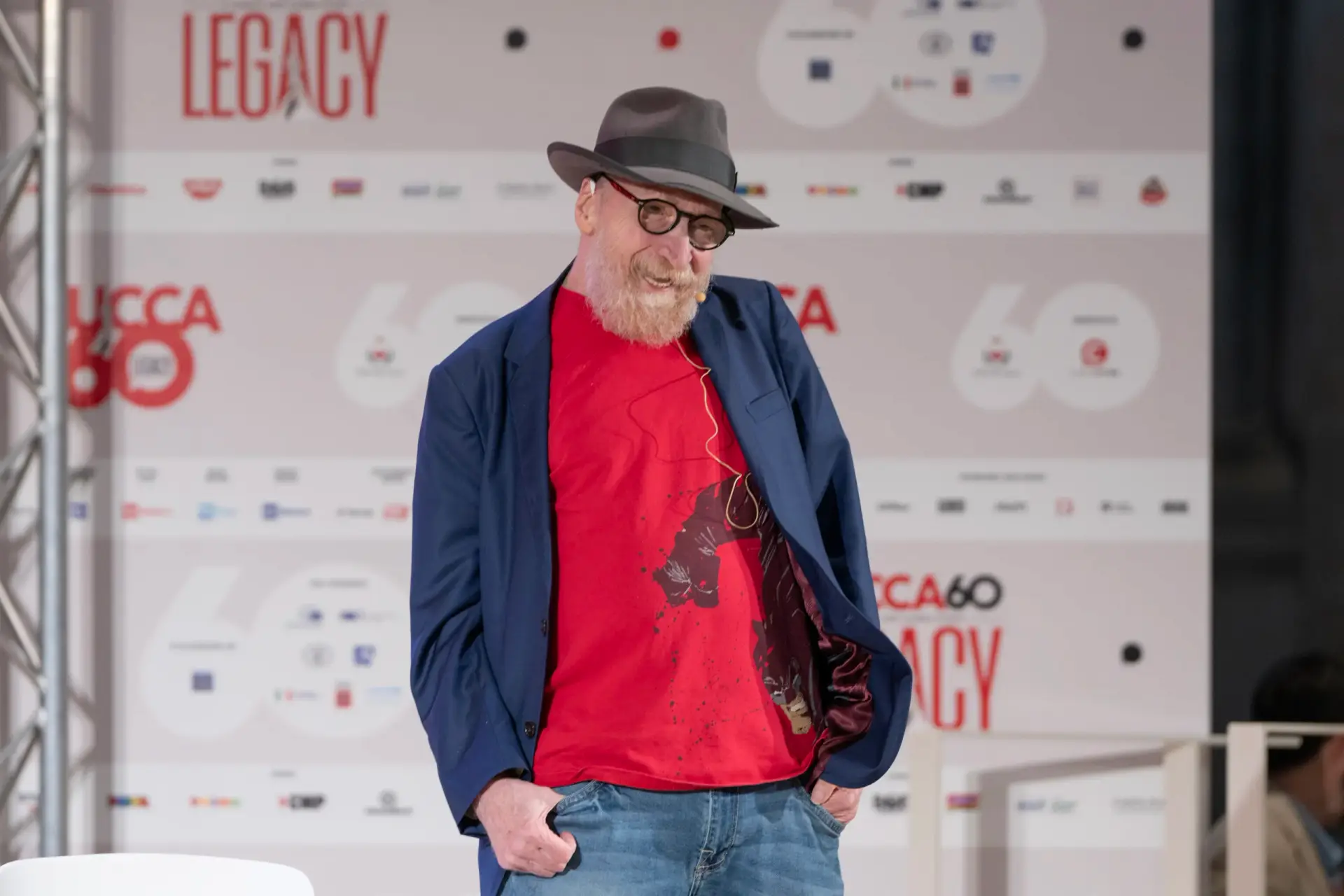
Expertly and brilliantly moderated by author Pierdomenico Baccalario, the session brought together three giants of the contemporary imagination: Paola Barbato, a master of the thriller genre and dark atmospheres, the legendary illustrator and satirist Chris Riddell, and the visceral visual sensibility of Quasirosso (Giovanni Esposito).
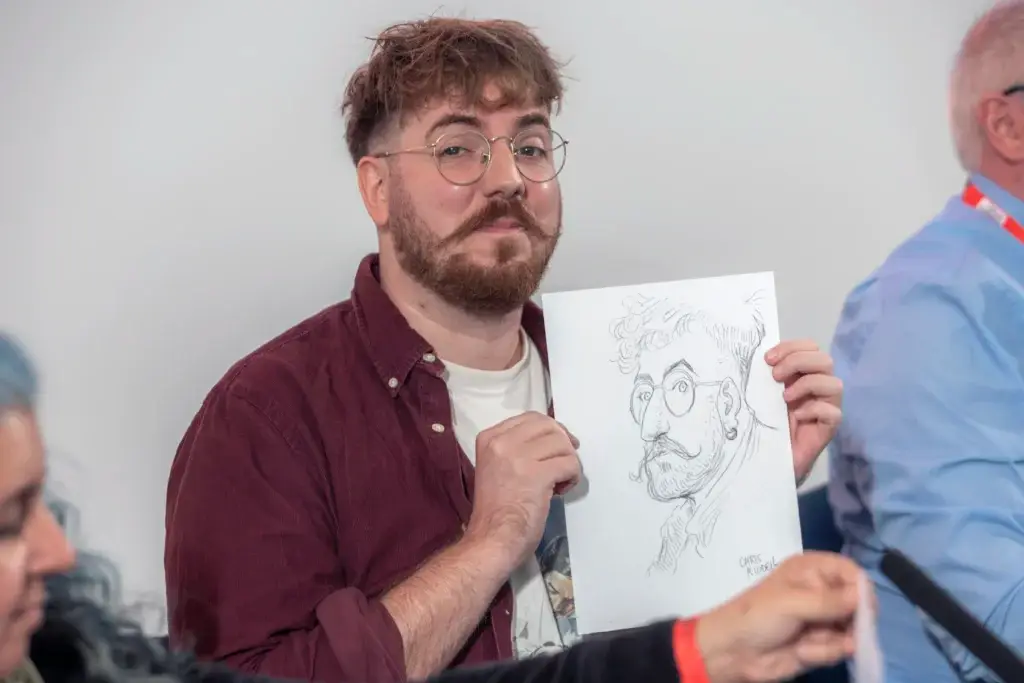
The hour-long debate was intense, fluid, and entirely free of dusty academic pretension—all the while enlivened by Riddell’s magical touch. As he spoke, he continuously produced spontaneous sketches in his sketchbook, giving shape and substance to the words in real-time, and drawing the audience directly into his creative flow.
The first major question posed by Baccalario struck at the very heart of the creative act: why do we still feel such a compelling need to take immortal archetypes—such as Alice in Wonderland, the fairy tales of the Brothers Grimm, or tales of chivalry—tear them apart, and then rebuild them anew?
For Chris Riddell—a cult author who has shaped the imaginations of entire generations through The Edge Chronicles and his reinterpretations of classic literature—this is never a trivial exercise in nostalgia or a purely aesthetic endeavor:
“Classics are not untouchable marble monuments, but open structures. Every era has the right—indeed, the fundamental duty—to find its own reflection within them. In this sense, illustration should never merely serve the text or act as a decorative garment; drawing constitutes a second layer of interpretation. My satirical or fantastical style often emerges precisely to reveal what the words leave unsaid—what the author has intentionally kept in the shadows.”
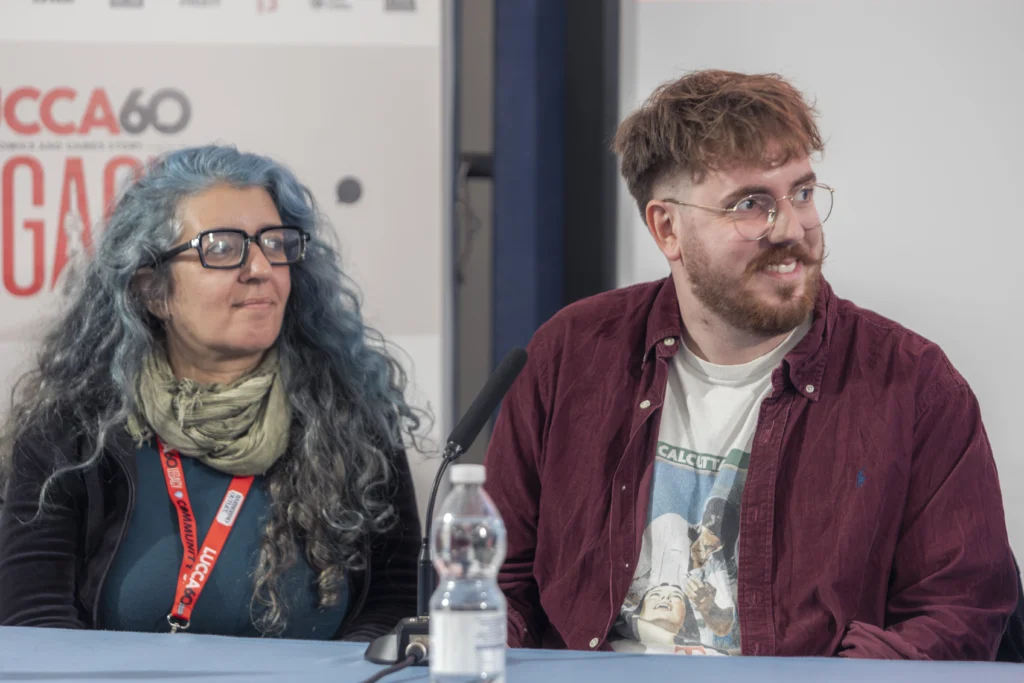
It is precisely within these shadows that Paola Barbato operates. With a surgical, taut writing style—always poised to delve into the abysses of the human psyche—she shifts the focus toward the raw, living flesh of the narrative:
“Reinventing a classic from a writer’s perspective requires the courage to explore its cracks. Traditional fairy tales and ancient myths are steeped in elements that are brutal, violent, and at times deeply disturbing. When we approach dark fantasy, we are essentially pitching our tents within those very shadows. To reinvent is to ask a question that is as simple as it is disruptive: ‘What happened to that secondary character when the main story looked away?’ It is within that specific, forgotten fragment that a narrative rediscovers a startling, frightening modernity.”
Bringing the conceptual discussion full circle, Quasirosso—one of the most intimate and powerful visual voices in contemporary Italian comics—shed light on the emotional impact on today’s reader:
“For those drawing in the modern era, the real challenge is to shatter the ‘crystal barrier’ between the artist and the reader. When you take a classic archetype and reinterpret it with a style that is more synthetic, imperfect—almost visceral—you are seizing that age-old myth and hurling it directly into the daily lived experience of the person reading. The image acts as an instant bridge, connecting ancient epic themes to the anxieties, joys, or voids of the present day.”
Another key topic addressed during the panel concerned the boundary between escapist fantasy and social metaphor. In an age defined by polarization and conflict, can dragons, fairy-tale wars, or subatomic monsters truly speak to our reality—without falling into the trap of being overly didactic?
Riddell’s response left no room for doubt, highlighting the profound link between political satire and world-building:
“Every illustrator—even when simply drawing the scale of a dragon or the mask of an imaginary creature—is, in effect, depicting their own present. Political satire and fantasy literature share the exact same tools: paradox and metaphor. Through the filter of the fantastic, you can call out injustices, wars, or authoritarian trends with far greater power and empathy than a cold, journalistic report ever could.”
This perspective is fully embraced by Paola Barbato, who highlighted how the horror and dark fantasy genres act as emotional catalysts for the collective:
“If you try to preach to the reader or moralize, the book fails instantly. However, if you manage to build an immersive, visceral atmosphere—one that is frighteningly credible in its nightmares—then reflection on the real world emerges spontaneously. The reader arrives at this conclusion on their own, because they recognize their own everyday monsters hidden beneath the guise of fictional creatures.”
The final part of the discussion—enriched by questions from the audience—focused on the alchemy required when writing and illustration merge into a single work. How can one prevent the illustrator from becoming a mere executor, or the writer from stifling the imagery with an excess of description?
For Riddell, the watchword is blind trust:
“The text must have ‘lungs’; it must leave empty spaces and ‘unspoken’ elements that only the illustrator’s eye can interpret and fill. Otherwise, the illustration becomes lazy and redundant.”
This concept was also strongly underscored by Quasirosso, who described comics and picture books as a delicate interplay of fitting pieces together and stripping things away:
“Sometimes, an expression drawn with just the right emotional weight allows the author to cut three paragraphs of text. When there is deep respect for each other’s space between the writer and the illustrator, words and images cease to be two separate elements and instead become a single, incredibly powerful, organic language.”
The session concluded to thunderous applause in a packed Sala Fondazione Banca del Monte, while the live sketches created by Chris Riddell were displayed to the audience—a tangible testament to the energy that had unfolded on stage.
The panel highlighted a fundamental truth for any lover of stories: classics never truly die—provided there are authors and illustrators capable of dissecting them with respect, infusing them with new fears and emotions, and handing them back to a generation of readers who never stop looking to fairy tales for the key to understanding their own present.