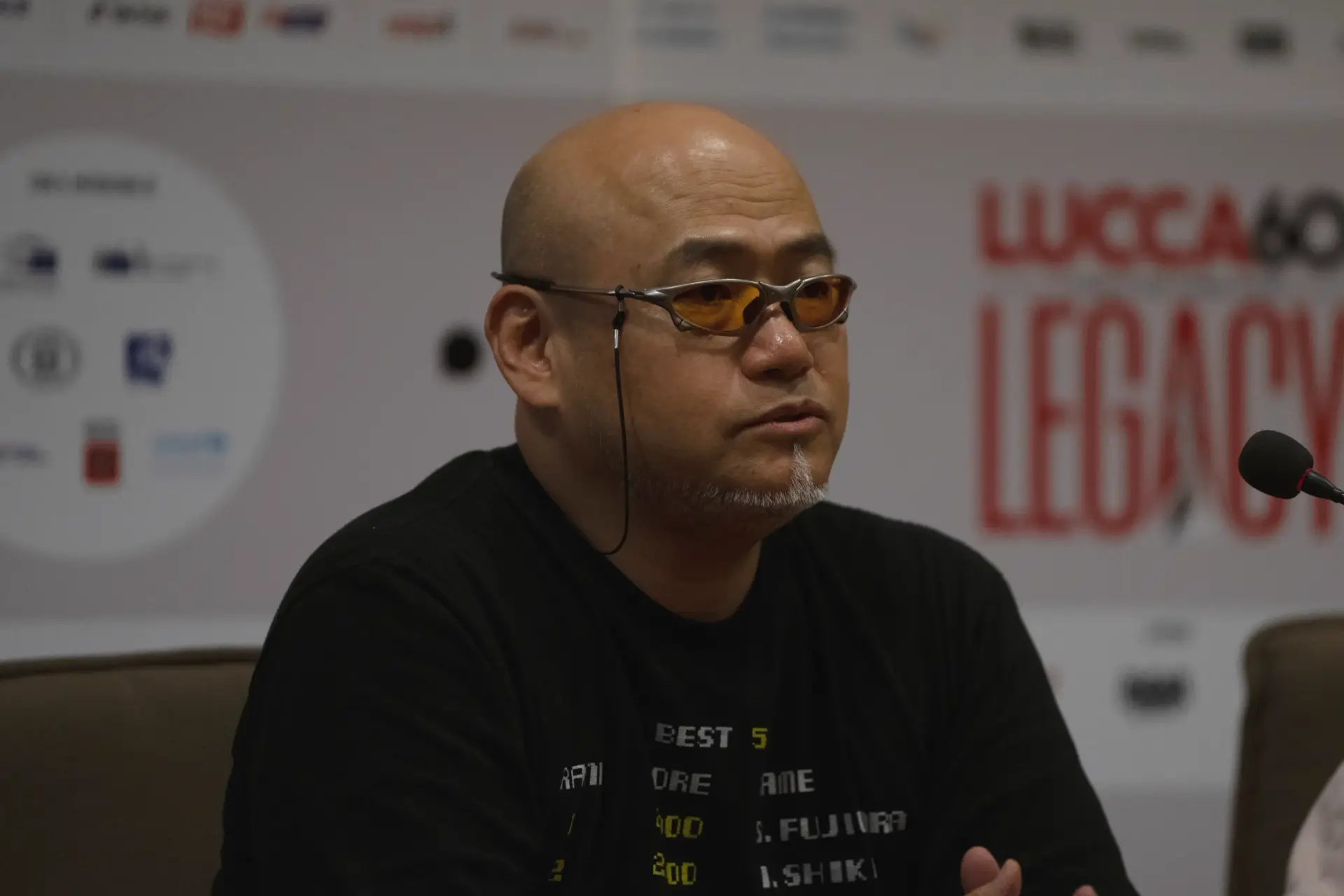
Amidst the corridors and the unique atmosphere of Lucca Comics & Games 2026, we had the opportunity and the pleasure of attending a Press Café session with one of the giants of the video game industry: Hideki Kamiya.
The meeting served as an intimate journey, covering the inception of new projects, visions for the future of the medium, and personal behind-the-scenes insights into the creation of his most beloved titles.
One of the first topics addressed concerns the founding of Clovers—Kamiya’s new studio—and the decision to make their debut with a project that has been highly anticipated for years: a sequel to Okami. When asked what drove him to prioritize this particular title, the master creator responded with great candor:
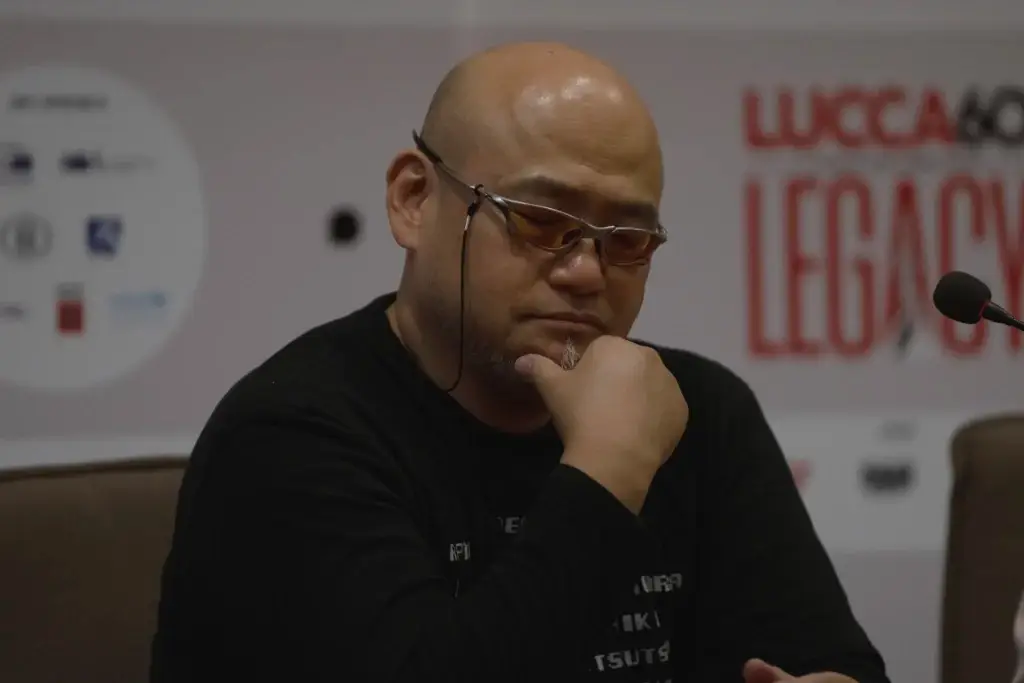
“It’s one of the video games I’m asked about most often. I felt a sort of personal responsibility to create a sequel. I was simply waiting for the right opportunity, and now, finally, I’ve found it.”
The conversation then turned to the fundamental pillars of game development: is it game design, customization, or storytelling?
For Kamiya, there is no doubt: the soul of a video game lies in its mechanics. While it is certainly possible to craft excellent titles without extensive customization or a complex narrative, a good video game cannot exist without solid game design.
Comparing the current landscape to that of twenty years ago, the game designer highlighted how much the industry has evolved.
On one hand, he noted a highly positive development: the growth of the indie scene, where small teams—working with limited budgets but fueled by pure passion—are able to bring extraordinary gems to life. On the other hand, the mainstream market has become immense and is heavily controlled by publishers who, focused on financial returns, often tend to limit the creative freedom of developers.
We personally asked the master what might change in his design approach if overnight his name were “erased” from his work—freeing him from the burden of fan expectations and his own reputation. Kamiya responded with disarming candor.
For him, nothing would change; pressure from fans or labels does not influence his choices. He simply continues to create what he wants and what he enjoys, without becoming overwhelmed by external expectations or lofty questions about his “legacy” or the future of the industry as a whole—prefering to focus solely on the present and his own ideas.
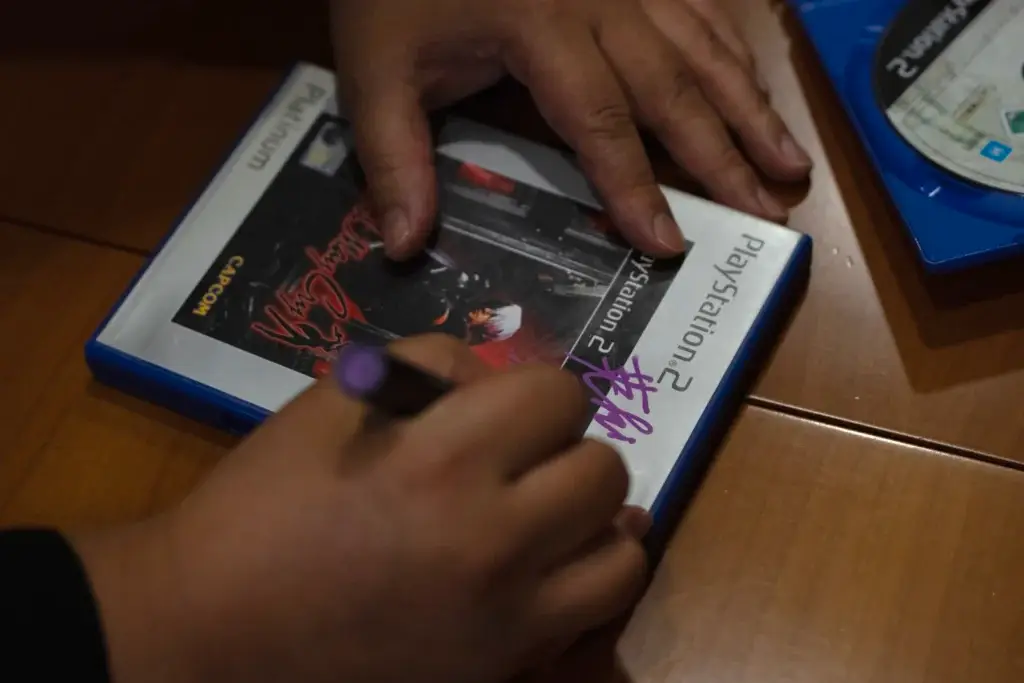
Delving deeper into the structure of his worlds, we discussed how to handle mysteries within a narrative: should they be revealed, or left unresolved? Kamiya firmly believes in the value of the enigma, explaining that he enjoys giving players the freedom to interpret details and see whatever they wish within the stories.
A particularly touching moment occurred when he recalled the origins of the inspiration for the world of Okami. Having grown up in the countryside, his move to the city instilled in him a deep nostalgia for nature. The game was born precisely from a desire to evoke childhood memories, the atmosphere, and the charm of provincial legends.
And what about Okami 2?
It was impossible not to try and coax a teaser out of him regarding a potential new installment. However, with a smile and a touch of regret, the Maestro chose to keep the secret: “Unfortunately, I can’t reveal anything just yet—you’ll have to be patient a little longer!”