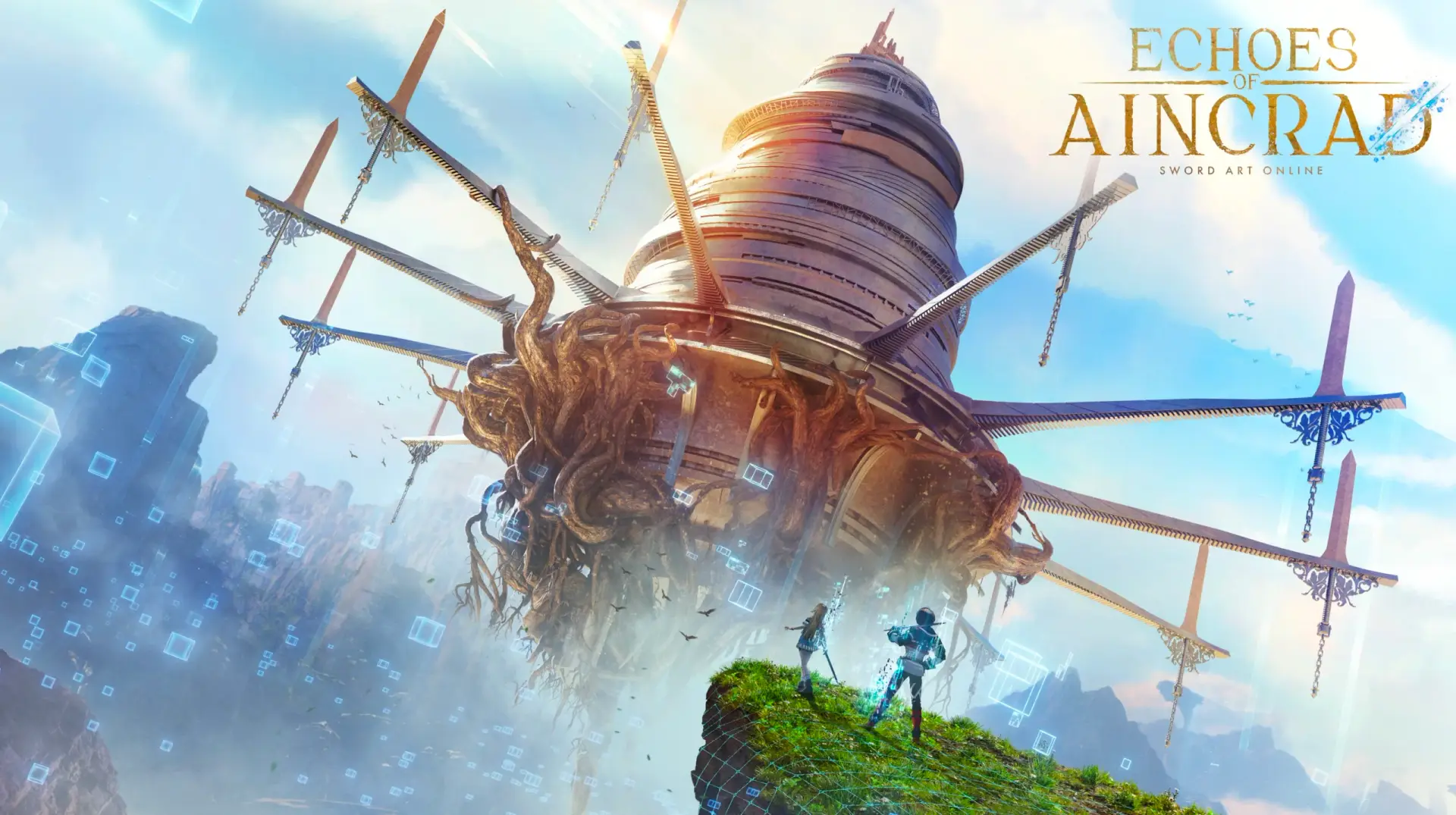
For those unfamiliar with the famous light novel series by Reki Kawahara Sword Art Online (SAO), it depicts a future where virtual reality allows for total immersion via the NerveGear headset. The first iconic game world is Aincrad, a floating castle of one hundred floors that quickly turns into a death trap; logging out requires clearing every floor, yet dying in-game means dying in the real world. Echoes of Aincrad attempts to recreate this very atmosphere, placing the player in the shoes of a new protagonist.
Can a full game really be judged based on a demo? The answer is yes. A demo is not merely a taste; it is a showcase designed to demonstrate the gameplay loop and core mechanics. If the experience feels tedious after just a few hours, it is unlikely to change in the long run. Echoes of Aincrad confirms this: the early build hinted at numerous flaws that the final version not only confirms but amplifies.
The most glaring issue lies in the dungeon structure. The areas available for exploration are excessively long, monotonous, and devoid of any sense of discovery. Corridors and rooms appear to be constructed by constantly recycling the same assets, creating the impression that you are traversing the same location over and over again merely with a different wall layout. Compounding this is a lack of enemy variety; before long, you find yourself facing the same enemies with overly predictable patterns, turning every encounter into a purely mechanical chore.
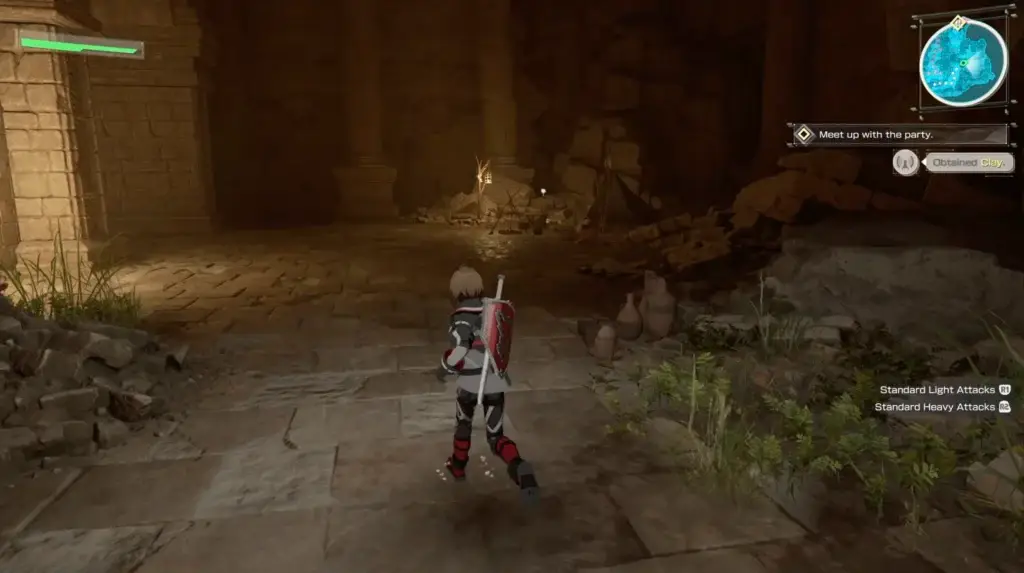
World exploration also suffers from severe limitations. Aincrad should convey the sense of a massive castle teeming with secrets; instead, player freedom is constantly stifled. You can only move along paths dictated by the current mission, and any attempt to stray results in being steered back toward the objective. Despite their vastness, the maps feel empty and lack meaningful interactions, interesting NPCs, or compelling rewards.
The crafting system is a dismal failure. Materials are distributed so abundantly that they lose all value early on, rendering gathering—and crafting itself—entirely inconsequential. The same applies to treasure chests, which contain almost nothing but mundane resources rather than gear capable of altering playstyles or making progression feel rewarding.
From a narrative standpoint, SAO’s potential is squandered. The dialogue is flat and uninspired, often included merely to pad out the runtime rather than to flesh out the characters or the setting. Even the new faces struggle to make an impression, failing to foster the emotional engagement one would expect from one of the series’ most beloved story arcs.
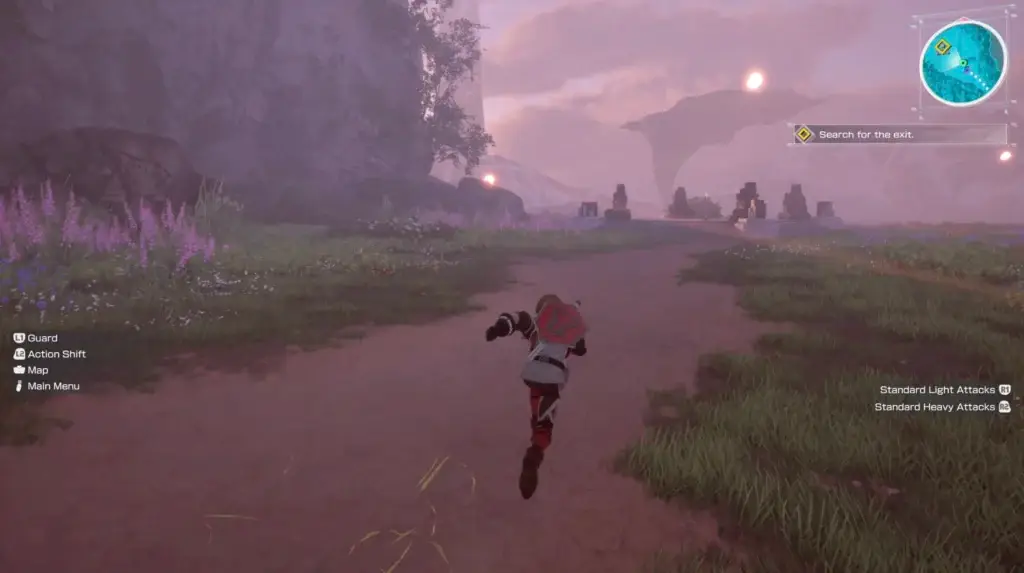
The combat system is the most disappointing aspect. The opening hours are actually enjoyable, thanks to dodges, parries, and visually satisfying Sword Skills. However, the balancing is deeply flawed: common enemies go down in a single hit and mini-bosses require very few attacks to defeat, effectively eliminating any real challenge. The mechanic where bosses switch patterns or take localized damage sounds great on paper, but in practice, it feels entirely scripted and lacks dynamism. To make matters worse, the game features an overly long-winded tutorial that constantly interrupts the action and drags down the pacing.
These general impressions are shared by both critics and the community. While the initial visual impact and the aesthetic rendering of Aincrad are appreciated, the repetitive dungeons, asset reuse, and problematic balancing fall short of expectations. Echoes of Aincrad isn’t short on good ideas, but it suffers from a fundamental lack of polish: every system feels like development stalled halfway through.
For die-hard fans of the original work, revisiting the anime’s settings might still hold some appeal. Yet, judged purely as an action RPG, the title struggles to stand out, leaving the impression of a major missed opportunity that needed more time and greater care in its game design.