There was an inevitable shadow of apprehension surrounding the anticipation of the new animated film from Avatar Studios, Avatar Aang: The Last Airbender. Bringing one of the most beloved animated sagas of all time back to the screen is always a risky gamble. Yet, the result not only meets expectations but delivers a wonderful love letter to longtime fans and the world created twenty years ago by Michael Dante DiMartino and Bryan Konietzko.
The true beating heart of the film is the emotional impact of seeing the Team Avatar gang all grown up. Reuniting with Aang, Katara, Sokka, Toph, and Zuko—now young adults—triggers an instant wave of nostalgia. However, this isn’t merely about looking back fondly; the characters shoulder the weight of adult responsibilities while retaining the camaraderie, irreverent banter, and genuine affection that made them iconic. Seeing them interact again—matured yet true to their core selves—is a rare, heartwarming pleasure.
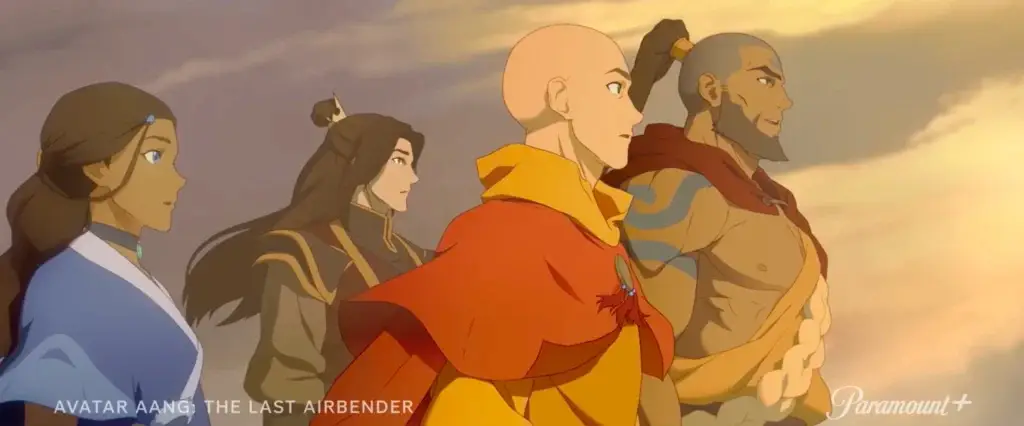
Beyond the main plot, one of the film’s most fascinating aspects is the window it offers into the period immediately following the Hundred Year War. The movie provides a valuable glimpse into the hard work undertaken during these years to heal the wounds of the Four Nations: from the sowing of the first seeds of what would become Republic City, to efforts to preserve Air Nomad culture and restore a fragile political and ecological balance. It is thrilling to observe how Aang and his companions transformed a military victory into a daily commitment to diplomacy, reconstruction, and cultural exchange.
Visually, the film is a feast for the eyes. The combination of traditional 2D-style artwork and 3D dynamics creates extraordinary fluidity. The animated scenes and combat sequences—the famous elemental “bending” arts—are directed with almost hypnotic choreographic precision. Every Water, Earth, Fire, or Air bending clash moves with the grace of a dance and the power of a blockbuster, elevating the original series’ aesthetic to a top-tier cinematic standard.