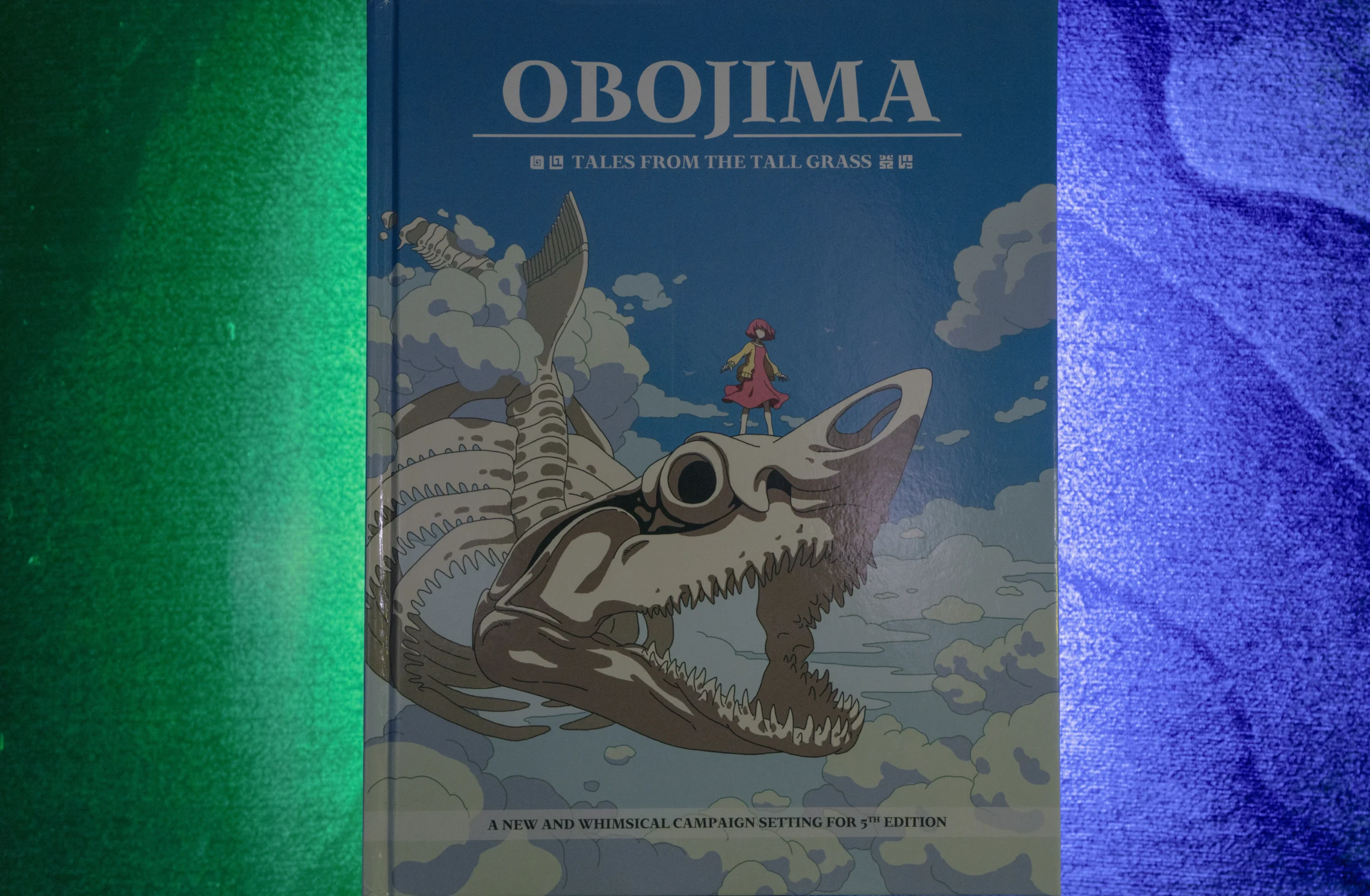
In recent years, the landscape of settings for Dungeons & Dragons 5E has been enriched by increasingly original offerings, yet few manage to stand out quite like Obojima: Tales from the Tall Grass. Created by 1985 Games, this supplement draws explicit inspiration from the works of Studio Ghibli, The Legend of Zelda, and the JRPGs of the 80’s and 90’s, presenting a world that prioritizes wonder, exploration, and everyday life over epic wars and cosmic threats.
The first thing that strikes you about Obojima is its atmosphere. It is a world that invites you to slow down. The island of Obojima is a place where spirits, fantastical creatures, and retro technology coexist in perfect harmony through magic-powered vending machines, trains traversing breathtaking landscapes, witches, fishermen, and small villages that look as though they stepped straight out of a Hayao Miyazaki film.
The setting eschews the exaggerated heroism typical of D&D in favor of “leisure fantasy”—a relaxed fantasy experience defined by memorable encounters, gentle mysteries, and deeply human stories. This shift in perspective is rare within the 5th Edition landscape and represents the manual’s greatest strength.
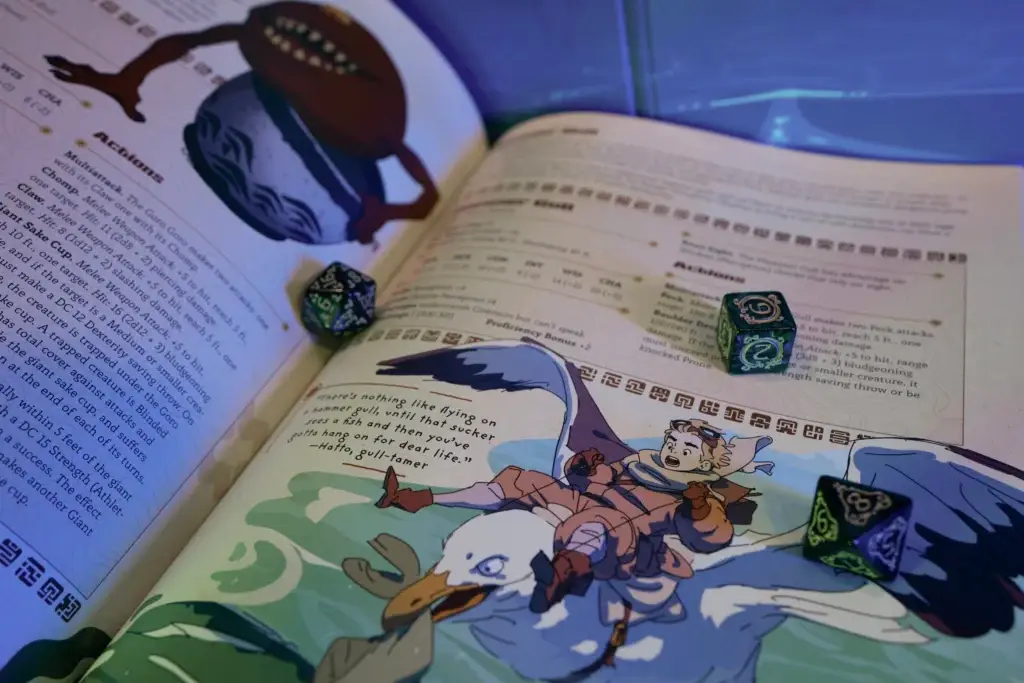
Visually, Obojima is simply magnificent. The illustrations are numerous and evocative, perfectly capturing the sense of wonder that permeates every page. The layout is also meticulously detailed, making the book a pleasure to read even when not actively preparing for an adventure.
In addition to describing the island, the volume includes new character options, spells, magic items, monsters, and several introductory adventures, providing enough material for many gaming sessions.
Paradoxically, Obojima‘s main flaw is the very system upon which it is built. D&D 5e remains a ruleset heavily focused on combat and increasing character power. However, Obojima invites players to slow down, observe the world, talk to the inhabitants, and solve problems through creativity and empathy.
This difference in philosophy creates a certain dissonance. Many Game Masters have noted that the rules often push the game toward dynamics that clash with the setting’s “cozy” tone, forcing the group to adjust their playstyle to truly achieve the experience promised by the book. But who knows—, perhaps in the future we might see this book adapted for other game systems like Daggerheart, or, why not, a spin-off using the Gumshoe system.
Of course, this doesn’t mean the game doesn’t work; rather, it requires a certain maturity from both the Dungeon Master and the players—who must be willing to place combat in the background.
Obojima is perfect for fans of Studio Ghibli films. The book fully immerses you in the magic that has always distinguished the Japanese studio. We also recommend it to those seeking exploration and roleplay-focused adventures, or anyone desiring a more intimate and relaxed fantasy experience. Furthermore, it is perfect for those looking for a setting rich in personality.
However, it might leave those seeking challenging dungeons, frequent combat, or progression heavily focused on character optimization feeling unsatisfied.
Obojima is one of the most fascinating supplements published for D&D 5e in recent years. The artistic quality is extraordinary, the world-building is full of charm, and the atmosphere truly evokes the sense of wonder typical of the works that inspired it.